School Outreach, and Indigenous Tree Day
May: Nurturing Young Conservationists and Growing a Forest
By Cheryl Achesa
May was a month of learning, growth, and continued restoration as we strengthened connections between people and nature both in schools and within the forest.
Bringing Biodiversity Closer to Young Minds
Throughout the month, our environmental education program continued with weekly biodiversity classes in two local schools. The sessions were facilitated by Alessandra Nava, an MSc exchange student from Italy, who introduced students to the fascinating world of biodiversity and its importance in sustaining healthy ecosystems.
The classes quickly evolved into lively discussions, with students demonstrating remarkable curiosity about the natural world. Their questions reflected both a desire to understand ecological processes and an eagerness to learn about places beyond their immediate environment.
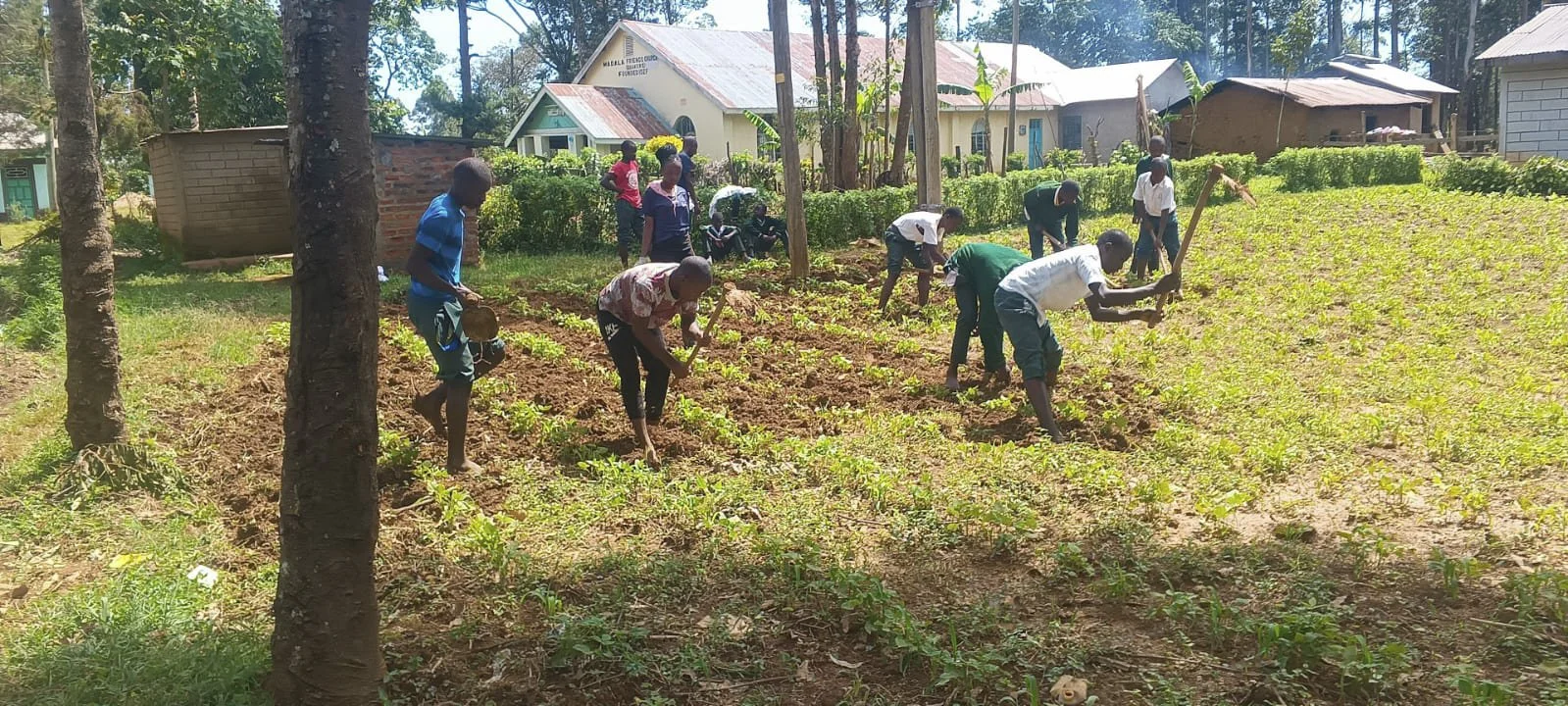
Children caring for the school garden
Some of the questions raised during the sessions included:
● Wilkister: “How do we know that millipedes improve soil fertility?”
● Melan: “How does the desert work as an ecosystem?”
● Leshan: “What food is eaten in Italy?”
● Newton: “Where did biodiversity originate from?”
When asked why biodiversity conservation is important, the students shared thoughtful and inspiring responses. They explained that insects such as bees help in pollination, forests are linked to culture, trees provide habitat for animals such as monkeys, biodiversity helps us learn about the many living things around us, and many trees have medicinal value.
One revelation stood out. Despite attending schools located less than five kilometres from the forest, students from both classes, approximately 50 learners in each school, shared that they had never visited the forest. This highlighted the growing disconnect between young people and the natural landscapes surrounding them, while reinforcing the importance of creating opportunities for direct experiences in nature.
The biodiversity classes served as a reminder of the immense potential young people have to become future environmental stewards. By encouraging curiosity and fostering a deeper understanding of ecosystems, we are helping build a generation that values and actively contributes to conservation.
Restoration Progress in the Forest
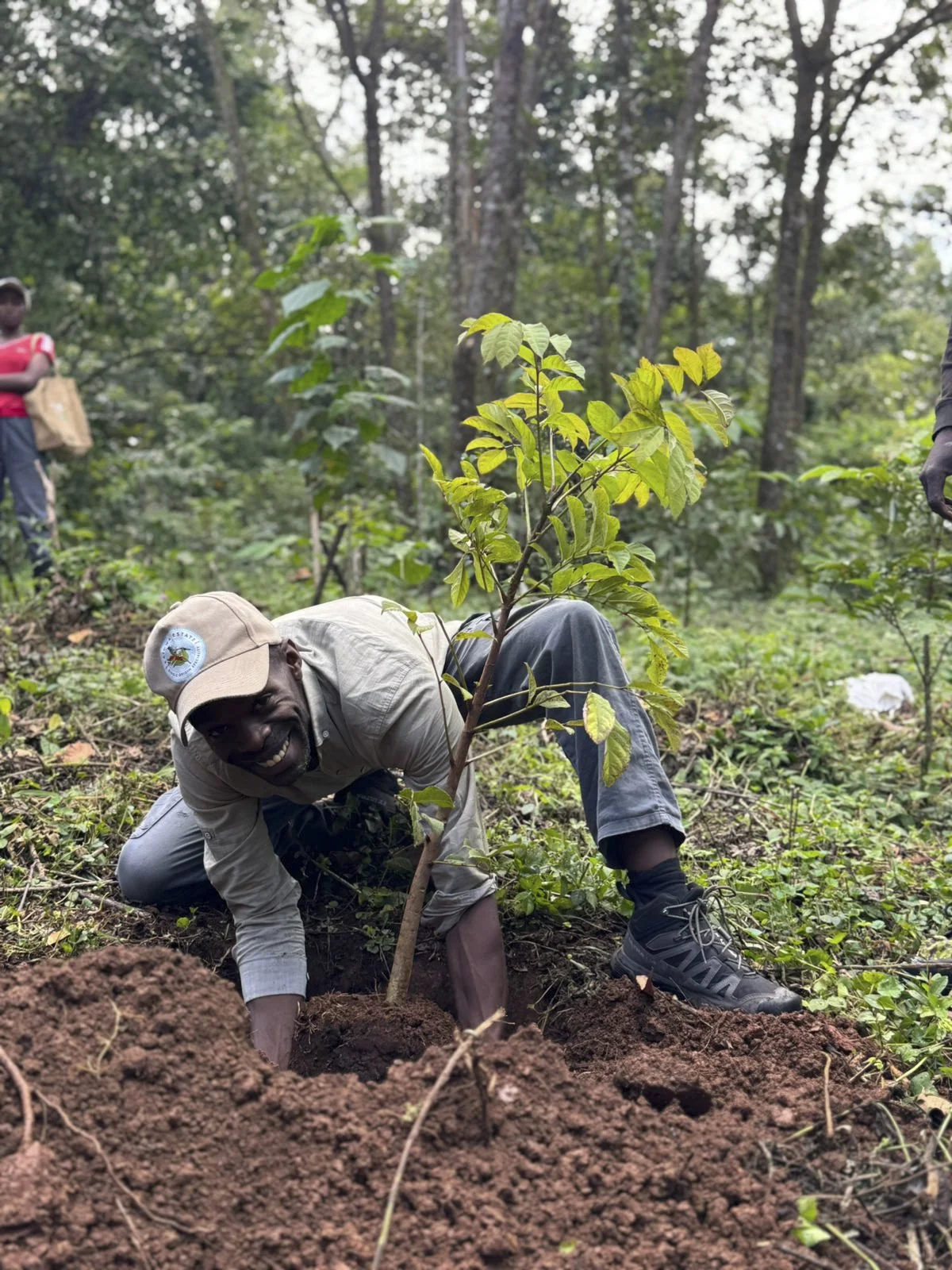
Beautiful forest soils
While learning continued in schools, restoration work in the forest also progressed steadily throughout May.
The team focused on maintaining and improving the restoration site through a range of activities, including clearing and maintaining access paths, planting additional seedlings in Plot 3, weeding all three restoration plots, and carrying out repairs on sections of the perimeter fence. These activities are essential for ensuring the healthy establishment and growth of indigenous trees while maintaining accessibility across the site.
The abundant rainfall experienced during the month has transformed the restoration area into a vibrant green landscape. Across the plots, trees are thriving, demonstrating the positive impact of both favorable weather conditions and consistent site maintenance.
A particularly encouraging milestone was recorded with Cordia millenii, the tallest tree within the restoration area, which has now reached approximately three metres in height. Its impressive growth serves as a visible indicator of the progress being made and the long-term potential of the restoration effort.
The project's impact is also extending beyond the site itself. Following the successful Indigenous Trees Day celebration on 18 April, the restoration project hosted a benchmarking visit from a local restoration initiative interested in learning from our experiences. The visit provided an opportunity to exchange ideas, share lessons learned, and showcase practical approaches to indigenous tree restoration, community engagement, and site management.
As the forest continues to recover and young minds continue to engage with biodiversity, May demonstrated the value of combining ecological restoration with environmental education. Together, these efforts are helping create a future where communities not only benefit from healthy ecosystems but also play an active role in protecting and restoring them.
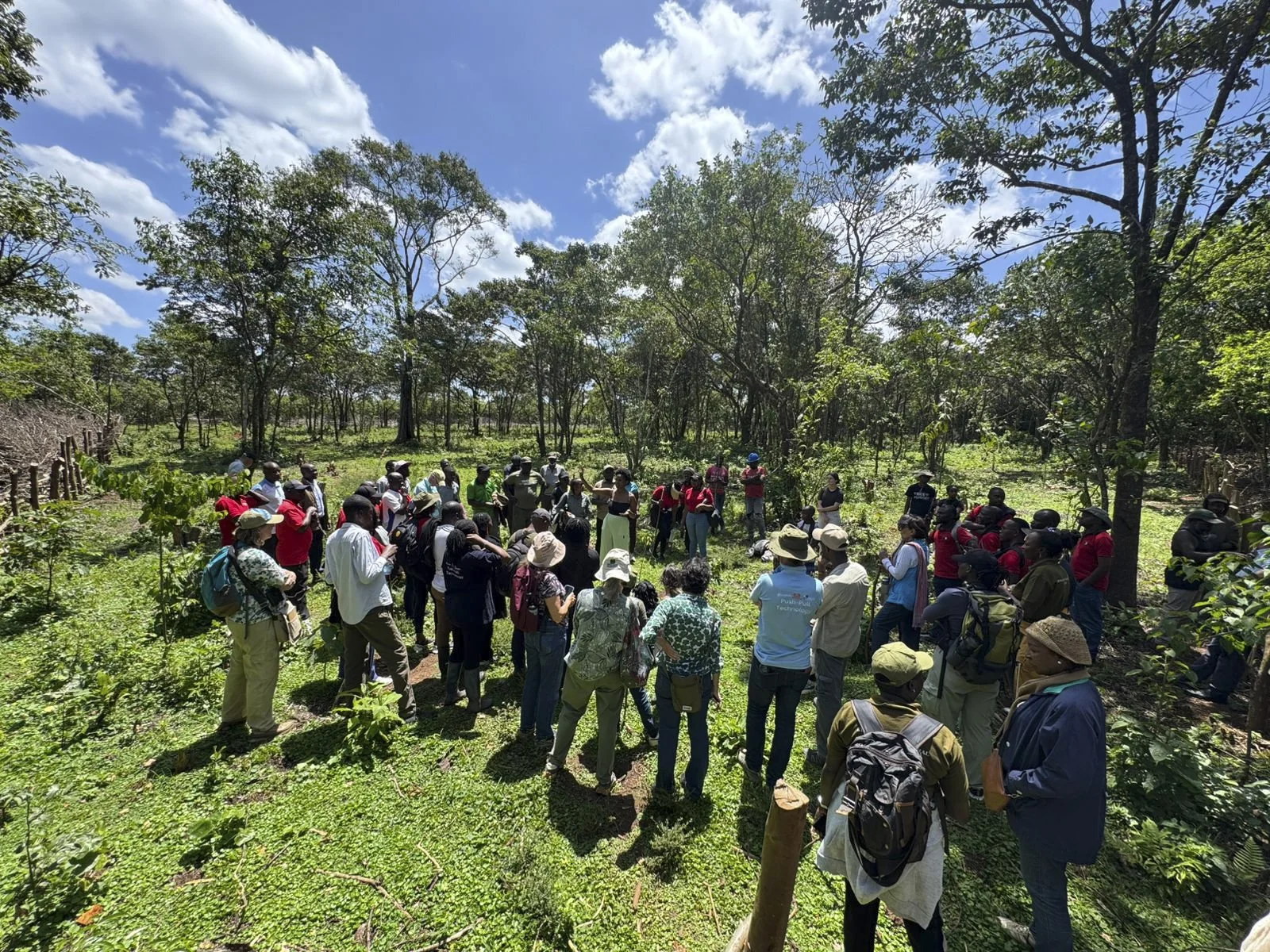
Sharing knowledge