Kakamega Rainforest Restoration
Kakamega Forest reserve is the only rainforest in Kenya and the most eastern extension of the vast Congo forest. It rains about 250-300 days a year. The rainfall (average 1700-2800 mm. p.a.) is increasing as the temperature rises. Most of the original forest has gone. There are three parts, of which the lower area, Kakamega Forest National Reserve, covers about 22,500 ha. (55,000 acres). To protect the forest, former President Moi ordered tea to be planted around much of the forest, which resulted in more than 1000 ha. of primary forest being cut down.
One hundred years ago Kakamega rainforest covered around 250,000 ha. (635,000 acres). Two other adjacent forest blocks (North and South Nandi forest) are at higher altitude and have a different plant diversity. The three blocks today cover about 60,000 ha. Only about 15,000 ha. of Kakamega Forest is original rainforest. The big megafauna (buffalo, leopard etc.) have all gone but there are seven species of primates and other small mammals, including unusual species like pottos and flying squirrels.
The forest today comprises both natural forest, plantations of exotic species like cypress and eucalyptus or, even worse, introduced invasive species like the guava (Psidium guajava) from tropical America or a tall tree known as Bishop wood (Bischofia javanica) from Java. These two latter species are dissimilar. Guava is a small tree (4m) with delicious fruit and extremely hard wood. Bishop Wood is a very tall, fast-growing straight tree (>40m) with low quality soft wood. Many of the native trees in the forest are so tall that they can be very difficult to identify but one can sometimes identify them based on the bark alone.
The Kenya Forest service has allocated a plot of land of indeterminate size to Plants for Life near Rondo Retreat. We received initial funding from Nicholsons of Oxford.
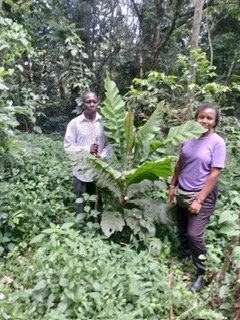
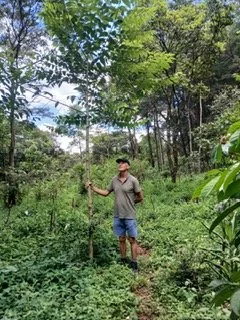
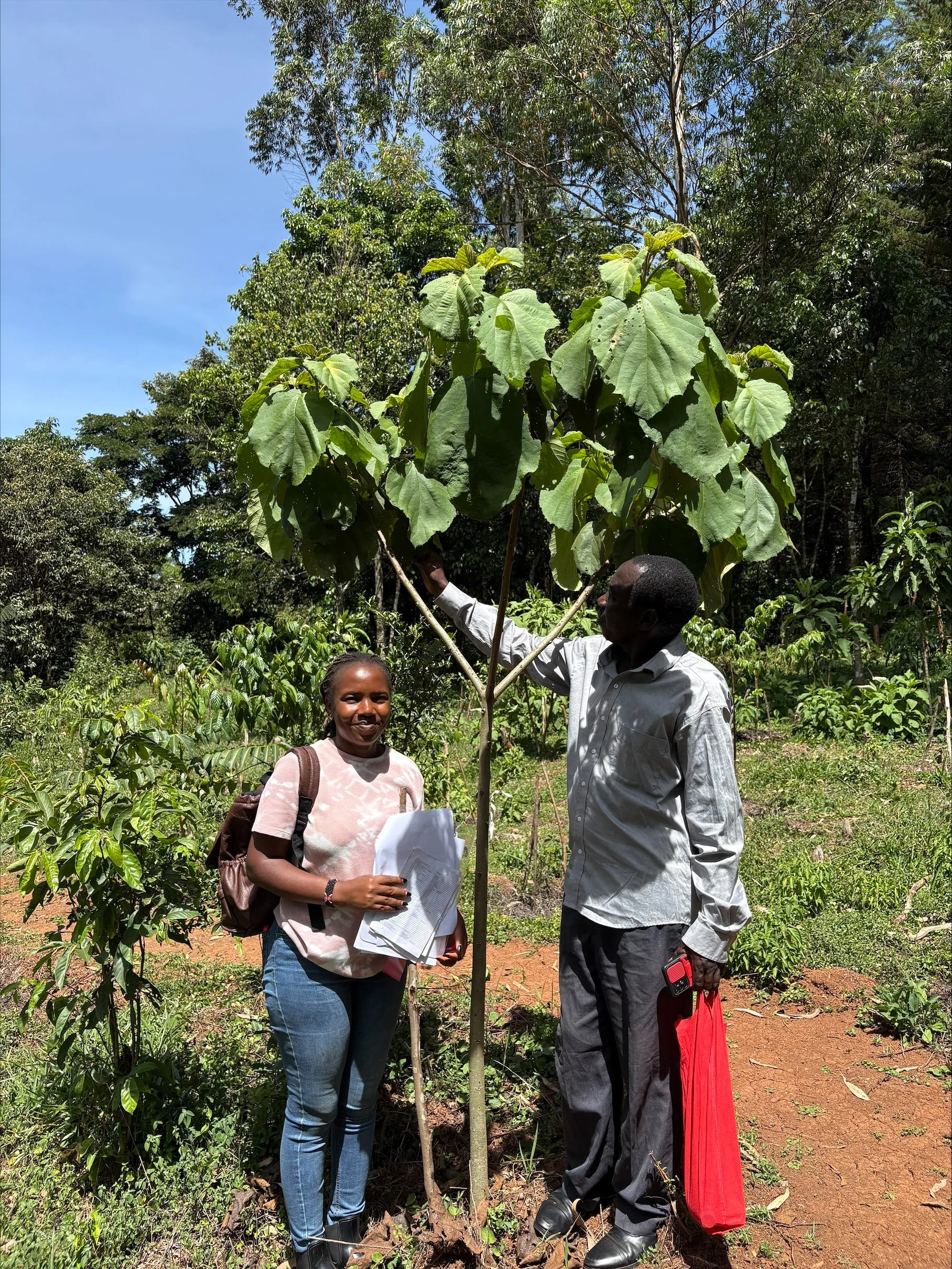
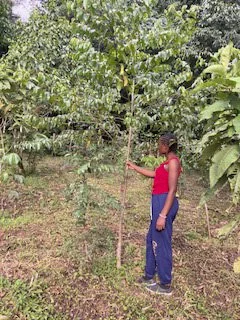
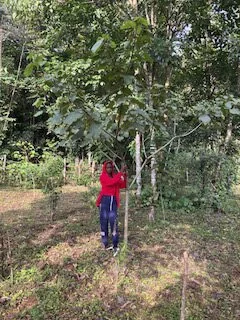
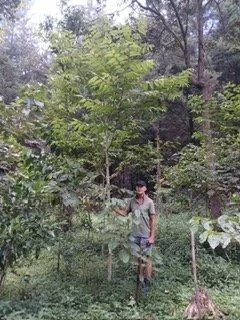
The plot comprised 80% guava, 15% Bishop Wood with some eucalyptus and 5% native vegetation. Our aim is to remove these non-native species and replace them with indigenous vegetation. The replacements will come from four sources, natural regrowth, tree nurseries, the cypress plantations (where indigenous ‘wildings’ can be dug up and replanted) or by direct seeding (fruiting time is late February/ March). Since July 2024, we have planted more than 2000 seedlings of over 300 species of local trees and shrubs and we aim to reach 1000 recorded plant species.
In addition to invasive plant species (the roads are lined with at least a dozen plant species from every continent), the forest is under threat from two other sources. First, the human population pressure is immense. Kakamega county is one of the most densely populated rural counties in Kenya with over 620 persons per square km. Electricity is uncommon in surrounding villages so the population relies on collecting ‘dead’ wood from the forest for cooking. Every day hundreds of women carry heavy loads (up to 30kg) of firewood on their heads. They walk from the forest for several hours to nearby villages. The problem is that it is easy ring-bark a tree: in a year or so the trees are prematurely killed.
The second challenge is uncontrolled livestock grazing in the forest. Cattle and goats wander about in the forest trampling on and eating tree seedlings. The Kenya Forest Service does not allow wire fences so we have constructed post-and-rail fencing using guava wood to keep out the cattle.
Big ideas, real impact.
Since July 2024, we have planted more than 2000 seedlings of over 300 species of local trees and shrubs and we aim to reach 1000 recorded plant species.
-
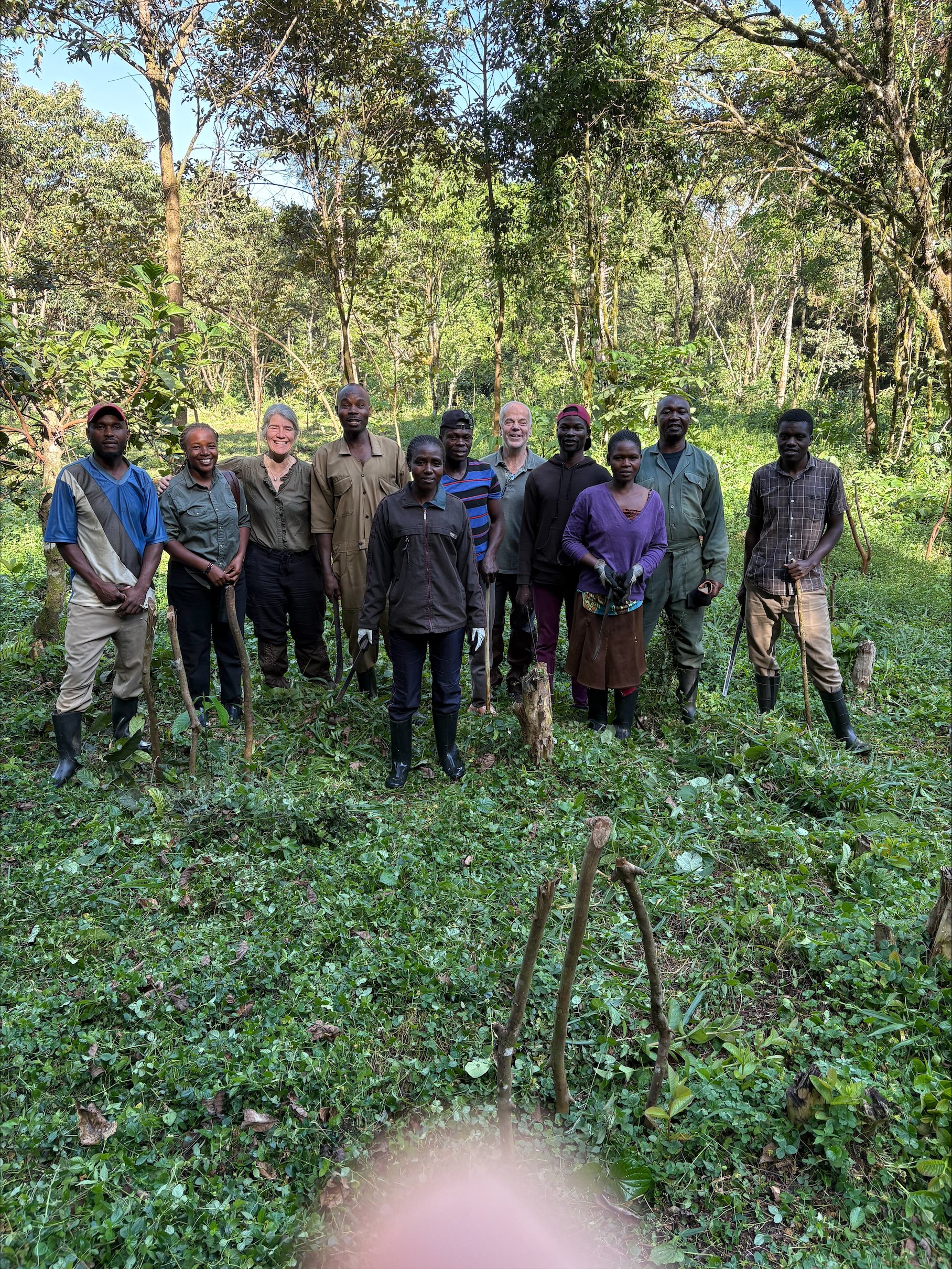
We are a team from UK forestry, Kenyan Forestry, and local conservationists. We work closely with the Kenyan Forest Service.
-
To remove as much of the guava and other invasive species in the area allocated within one year (July 2024-June 2025).
To collect and plant indigenous trees and other plant material on site
To maximize plant and other biodiversity
To record planted tree and shrub species (from seed, wildings and tree nurseries), their coordinates, survival and phenology (height, dbh and canopy width). Current list is appended.
To record bird, butterfly and reptile numbers on the site and monitor increase in all visible biodiversity over time and compare with biodiversity in nearby areas of exotic trees and non-indigenous plantations.
To expand the area only when we have controlled or eradicated invasive species.
-
We have 7 people on the ground, under the project lead of Mark Nicholson, project manager Cheryl, the team collectively have decades of experience in indigenous trees and forest restoration.